Election Denial in North Carolina
0 Election Deniers have won races for U.S. House in 2026. Explore
4 races for U.S. House where Election Deniers are on the ballot are not yet called. Explore
0 Election Deniers have won races for U.S. Senate in 2026. Explore
1 race for U.S. Senate where Election Deniers are on the ballot are not yet called. Explore
The landscape in North Carolina
Following a lawsuit brought against the state by the Justice Department, North Carolina agreed in September 2025 to hand over its complete state voter rolls to the Justice Department, including voters’ sensitive personal information.
The settlement agreement between North Carolina and the Justice Department forced almost 100,000 voters who were already registered to prove their identification or risk having their votes rejected.
In November 2025, investigators from U.S. Immigration and Customs Enforcement requested registration information on two voters from local elections officials in Forsyth County. The Forsyth County elections director released redacted files to the Department of Homeland Security, explaining that state law requires that personal identifiable information must be kept confidential.
Dan Bishop, a former North Carolina Congressman and an Election Denier, was appointed in April 2026 to oversee the Justice Department’s nationwide investigation into supposed election fraud, particularly in the 2020 election. The administration hopes to erode faith in election results it doesn’t like in 2026 by stirring up doubt about the long-settled 2020 election.
The Trump administration has targeted state voter rolls as part of its strategy to limit who can vote and as another way to discredit unfavorable 2026 election results. The federal government is using its immense power to intimidate states into turning over protected data and changing their voting processes to fit the president’s whims.
The Justice Department’s 2025 suit against North Carolina echoed many of the same claims made earlier, when the losing candidate in a 2024 state Supreme Court election attempted to overturn the results.
In that election, North Carolina voters re-elected Justice Allison Riggs to her seat on the state Supreme Court. Two recounts confirmed the result. Then her opponent, Jefferson Griffin, sought to have more than 60,000 lawful votes invalidated.
Most of the voters challenged by Griffin had been given erroneous forms when they registered that did not clearly call for proof of identification, or were wrongly classified because of clerical errors or name changes. Others were military or overseas voters who had not submitted identification with their absentee ballots because they weren’t required to.
Six months after the election, a federal judge ordered that all the challenged ballots be counted, and Griffin finally conceded.
Election Denier activity in North Carolina dates back to the 2020 election itself. When Congress met to certify the 2020 election on Jan. 6, 2021, seven representatives from North Carolina voted against it. Five still represent North Carolina in Congress, including Ted Budd, who has since been elected senator.
Years later, one of those representatives, Virginia Foxx, an Election Denier, yelled at a reporter to “shut up” when the reporter asked House Speaker Mike Johnson about his role in attempts to overturn the 2020 presidential election.
In 2022, two officials in Surry County refused to certify election results, questioning the legitimacy of state election law and court decisions. The State Board of Elections later removed both from their jobs. Certification of election results is a step that takes place after election results have been verified, and it’s not optional for county officials.
In the state legislature, Republicans gained a supermajority in 2023 and prohibited the state from joining the Electronic Registration Information Center, a trusted voter roll maintenance system that has been the victim of anti-democracy conspiracy theories.
State legislators have also moved repeatedly to seize control of county election boards and to weaken the governor’s power to oversee elections. Those changes could make it easier for Election Deniers at the county or state level to interfere with certification of future elections.
0 Election Deniers hold statewide Office right now.
Elections are run by the states. In North Carolina, the Governor, Attorney General, and executive director of the State Board of Elections are the state officials responsible for overseeing elections. In most states, the Secretary of State is the chief election official. North Carolina is an exception: The State Board of Elections appoints an executive director. It’s up to all of them to make sure the will of the people is always respected.
Read more about The Roles of Our Elected Officials in Elections
No candidates match the selected filters.
5 Election Deniers are sitting members of congress right now.
Election Deniers make up 31 percent of North Carolina’s 16-member Congressional delegation. Members of Congress have a public platform to build up or tear down trust in our elections. And they have concrete responsibilities, too, such as determining federal funding for elections.
Read more about The Roles of Our Elected Officials in Elections
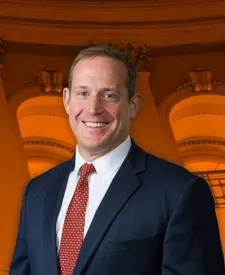
Senator of North Carolina
Term started 2023
Term ends 2029
-
Refused to certify, or called on or pressured election officials to refuse to certify, the 2020 presidential election results or a race in subsequent elections based on meritless claims about election fraud, voter fraud, misinformation, or lies.
-
Taken action to undermine the integrity of the 2020 presidential election or subsequent election cycles, including:
Filing or supporting litigation seeking to overturn the results based on conspiracies or baseless legal theories.
Filing or supporting litigation that was sanctioned for being malicious or without merit in the aftermath of an election.
Promoting or participating in a Stop the Steal–sponsored or branded event or rally during or following the 2020 election.
Calling for a “forensic audit” of the 2020 presidential election or a race in subsequent elections after the results were certified, were officially audited, or stood up to multiple legal challenges.
-
Falsely claimed former President Trump won the 2020 presidential election instead of the legitimate winner, President Biden.
-
Spread lies or promoted conspiracies about the legitimacy of the 2020 presidential election or subsequent election cycles in public, including in social media, press statements, or comments to the press.
-
Refused to concede a race, or publicly supported a candidate’s refusal to concede a race, after the results were officially audited or stood up to multiple legal challenges.
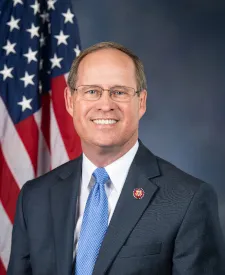
Representative of North Carolina, District 3
Term started 2025
Term ends 2027
-
Refused to certify, or called on or pressured election officials to refuse to certify, the 2020 presidential election results or a race in subsequent elections based on meritless claims about election fraud, voter fraud, misinformation, or lies.
-
Taken action to undermine the integrity of the 2020 presidential election or subsequent election cycles, including:
Filing or supporting litigation seeking to overturn the results based on conspiracies or baseless legal theories.
Filing or supporting litigation that was sanctioned for being malicious or without merit in the aftermath of an election.
Promoting or participating in a Stop the Steal–sponsored or branded event or rally during or following the 2020 election.
Calling for a “forensic audit” of the 2020 presidential election or a race in subsequent elections after the results were certified, were officially audited, or stood up to multiple legal challenges.
-
Falsely claimed former President Trump won the 2020 presidential election instead of the legitimate winner, President Biden.
-
Spread lies or promoted conspiracies about the legitimacy of the 2020 presidential election or subsequent election cycles in public, including in social media, press statements, or comments to the press.
-
Refused to concede a race, or publicly supported a candidate’s refusal to concede a race, after the results were officially audited or stood up to multiple legal challenges.
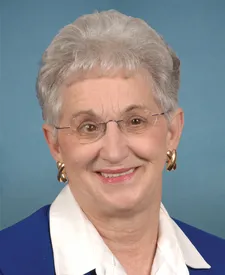
Representative of North Carolina, District 5
Term started 2025
Term ends 2027
-
Refused to certify, or called on or pressured election officials to refuse to certify, the 2020 presidential election results or a race in subsequent elections based on meritless claims about election fraud, voter fraud, misinformation, or lies.
-
Taken action to undermine the integrity of the 2020 presidential election or subsequent election cycles, including:
Filing or supporting litigation seeking to overturn the results based on conspiracies or baseless legal theories.
Filing or supporting litigation that was sanctioned for being malicious or without merit in the aftermath of an election.
Promoting or participating in a Stop the Steal–sponsored or branded event or rally during or following the 2020 election.
Calling for a “forensic audit” of the 2020 presidential election or a race in subsequent elections after the results were certified, were officially audited, or stood up to multiple legal challenges.
-
Falsely claimed former President Trump won the 2020 presidential election instead of the legitimate winner, President Biden.
-
Spread lies or promoted conspiracies about the legitimacy of the 2020 presidential election or subsequent election cycles in public, including in social media, press statements, or comments to the press.
-
Refused to concede a race, or publicly supported a candidate’s refusal to concede a race, after the results were officially audited or stood up to multiple legal challenges.
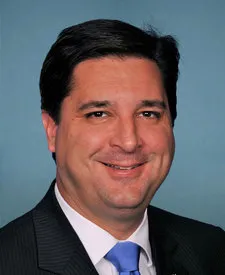
Representative of North Carolina, District 7
Term started 2025
Term ends 2027
-
Refused to certify, or called on or pressured election officials to refuse to certify, the 2020 presidential election results or a race in subsequent elections based on meritless claims about election fraud, voter fraud, misinformation, or lies.
-
Taken action to undermine the integrity of the 2020 presidential election or subsequent election cycles, including:
Filing or supporting litigation seeking to overturn the results based on conspiracies or baseless legal theories.
Filing or supporting litigation that was sanctioned for being malicious or without merit in the aftermath of an election.
Promoting or participating in a Stop the Steal–sponsored or branded event or rally during or following the 2020 election.
Calling for a “forensic audit” of the 2020 presidential election or a race in subsequent elections after the results were certified, were officially audited, or stood up to multiple legal challenges.
-
Falsely claimed former President Trump won the 2020 presidential election instead of the legitimate winner, President Biden.
-
Spread lies or promoted conspiracies about the legitimacy of the 2020 presidential election or subsequent election cycles in public, including in social media, press statements, or comments to the press.
-
Refused to concede a race, or publicly supported a candidate’s refusal to concede a race, after the results were officially audited or stood up to multiple legal challenges.
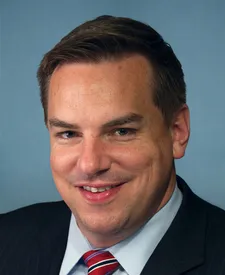
Representative of North Carolina, District 9
Term started 2025
Term ends 2027
-
Refused to certify, or called on or pressured election officials to refuse to certify, the 2020 presidential election results or a race in subsequent elections based on meritless claims about election fraud, voter fraud, misinformation, or lies.
-
Taken action to undermine the integrity of the 2020 presidential election or subsequent election cycles, including:
Filing or supporting litigation seeking to overturn the results based on conspiracies or baseless legal theories.
Filing or supporting litigation that was sanctioned for being malicious or without merit in the aftermath of an election.
Promoting or participating in a Stop the Steal–sponsored or branded event or rally during or following the 2020 election.
Calling for a “forensic audit” of the 2020 presidential election or a race in subsequent elections after the results were certified, were officially audited, or stood up to multiple legal challenges.
-
Falsely claimed former President Trump won the 2020 presidential election instead of the legitimate winner, President Biden.
-
Spread lies or promoted conspiracies about the legitimacy of the 2020 presidential election or subsequent election cycles in public, including in social media, press statements, or comments to the press.
-
Refused to concede a race, or publicly supported a candidate’s refusal to concede a race, after the results were officially audited or stood up to multiple legal challenges.
5 Election Deniers are on the ballot for Congress in November in races we're tracking.
Here are the Election Deniers running in 2026 to represent North Carolina in the House or Senate who are advancing to November. Remember: Some members of Congress elected this year will be voting on whether to certify the 2028 Presidential election.
Note: We are only tracking Election Deniers who have won their primaries and are advancing to the November general election. We are not tracking all Election Denier candidates ahead of state primaries. Click here to view Election Deniers who already hold seats in Congress right now.
Read more about The Roles of Our Elected Officials in Elections

Running for Senator of North Carolina
-
Falsely claimed former President Trump won the 2020 presidential election instead of the legitimate winner, President Biden.
-
Spread lies or promoted conspiracies about the legitimacy of the 2020 presidential election or subsequent election cycles in public, including in social media, press statements, or comments to the press.
-
Refused to certify, or called on or pressured election officials to refuse to certify, the 2020 presidential election results or a race in subsequent elections based on meritless claims about election fraud, voter fraud, misinformation, or lies.
-
Taken action to undermine the integrity of the 2020 presidential election or subsequent election cycles, including:
Filing or supporting litigation seeking to overturn the results based on conspiracies or baseless legal theories.
Filing or supporting litigation that was sanctioned for being malicious or without merit in the aftermath of an election.
Promoting or participating in a Stop the Steal–sponsored or branded event or rally during or following the 2020 election.
Calling for a “forensic audit” of the 2020 presidential election or a race in subsequent elections after the results were certified, were officially audited, or stood up to multiple legal challenges.
-
Refused to concede a race, or publicly supported a candidate’s refusal to concede a race, after the results were officially audited or stood up to multiple legal challenges.
Running for Representative of North Carolina, District 3
-
Refused to certify, or called on or pressured election officials to refuse to certify, the 2020 presidential election results or a race in subsequent elections based on meritless claims about election fraud, voter fraud, misinformation, or lies.
-
Taken action to undermine the integrity of the 2020 presidential election or subsequent election cycles, including:
Filing or supporting litigation seeking to overturn the results based on conspiracies or baseless legal theories.
Filing or supporting litigation that was sanctioned for being malicious or without merit in the aftermath of an election.
Promoting or participating in a Stop the Steal–sponsored or branded event or rally during or following the 2020 election.
Calling for a “forensic audit” of the 2020 presidential election or a race in subsequent elections after the results were certified, were officially audited, or stood up to multiple legal challenges.
-
Falsely claimed former President Trump won the 2020 presidential election instead of the legitimate winner, President Biden.
-
Spread lies or promoted conspiracies about the legitimacy of the 2020 presidential election or subsequent election cycles in public, including in social media, press statements, or comments to the press.
-
Refused to concede a race, or publicly supported a candidate’s refusal to concede a race, after the results were officially audited or stood up to multiple legal challenges.
Running for Representative of North Carolina, District 5
-
Refused to certify, or called on or pressured election officials to refuse to certify, the 2020 presidential election results or a race in subsequent elections based on meritless claims about election fraud, voter fraud, misinformation, or lies.
-
Taken action to undermine the integrity of the 2020 presidential election or subsequent election cycles, including:
Filing or supporting litigation seeking to overturn the results based on conspiracies or baseless legal theories.
Filing or supporting litigation that was sanctioned for being malicious or without merit in the aftermath of an election.
Promoting or participating in a Stop the Steal–sponsored or branded event or rally during or following the 2020 election.
Calling for a “forensic audit” of the 2020 presidential election or a race in subsequent elections after the results were certified, were officially audited, or stood up to multiple legal challenges.
-
Falsely claimed former President Trump won the 2020 presidential election instead of the legitimate winner, President Biden.
-
Spread lies or promoted conspiracies about the legitimacy of the 2020 presidential election or subsequent election cycles in public, including in social media, press statements, or comments to the press.
-
Refused to concede a race, or publicly supported a candidate’s refusal to concede a race, after the results were officially audited or stood up to multiple legal challenges.
Running for Representative of North Carolina, District 7
-
Refused to certify, or called on or pressured election officials to refuse to certify, the 2020 presidential election results or a race in subsequent elections based on meritless claims about election fraud, voter fraud, misinformation, or lies.
-
Taken action to undermine the integrity of the 2020 presidential election or subsequent election cycles, including:
Filing or supporting litigation seeking to overturn the results based on conspiracies or baseless legal theories.
Filing or supporting litigation that was sanctioned for being malicious or without merit in the aftermath of an election.
Promoting or participating in a Stop the Steal–sponsored or branded event or rally during or following the 2020 election.
Calling for a “forensic audit” of the 2020 presidential election or a race in subsequent elections after the results were certified, were officially audited, or stood up to multiple legal challenges.
-
Falsely claimed former President Trump won the 2020 presidential election instead of the legitimate winner, President Biden.
-
Spread lies or promoted conspiracies about the legitimacy of the 2020 presidential election or subsequent election cycles in public, including in social media, press statements, or comments to the press.
-
Refused to concede a race, or publicly supported a candidate’s refusal to concede a race, after the results were officially audited or stood up to multiple legal challenges.
Running for Representative of North Carolina, District 9
-
Refused to certify, or called on or pressured election officials to refuse to certify, the 2020 presidential election results or a race in subsequent elections based on meritless claims about election fraud, voter fraud, misinformation, or lies.
-
Taken action to undermine the integrity of the 2020 presidential election or subsequent election cycles, including:
Filing or supporting litigation seeking to overturn the results based on conspiracies or baseless legal theories.
Filing or supporting litigation that was sanctioned for being malicious or without merit in the aftermath of an election.
Promoting or participating in a Stop the Steal–sponsored or branded event or rally during or following the 2020 election.
Calling for a “forensic audit” of the 2020 presidential election or a race in subsequent elections after the results were certified, were officially audited, or stood up to multiple legal challenges.
-
Falsely claimed former President Trump won the 2020 presidential election instead of the legitimate winner, President Biden.
-
Spread lies or promoted conspiracies about the legitimacy of the 2020 presidential election or subsequent election cycles in public, including in social media, press statements, or comments to the press.
-
Refused to concede a race, or publicly supported a candidate’s refusal to concede a race, after the results were officially audited or stood up to multiple legal challenges.
How North Carolina compares
Every state runs its own elections, with its own laws and processes. Check out how North Carolina compares with other states in its region when it comes to Election Deniers holding state election administration jobs.
Election Denial in Southeast States
Sitting official is an Election Denier
- In Florida, the Governor appoints the Secretary of State. Florida Governor Ron DeSantis is an Election Denier and appointed Cord Byrd as Florida’s Secretary of State in May 2022.
- In North Carolina, the Executive Director is appointed by the North Carolina State Board of Elections.
- In South Carolina, the Executive Director is appointed by the South Carolina Election Commission.
- In Tennessee, the Secretary of State is appointed by the legislature.
- In Virginia, the Governor appoints the Commissioner of Elections.
Election Deniers have held, or have run for, statewide Office 4 times since 2020.
Even one Election Denier with election oversight power is a threat to the will of the people. Here are the Election Deniers who have sought control over North Carolina elections in recent years.
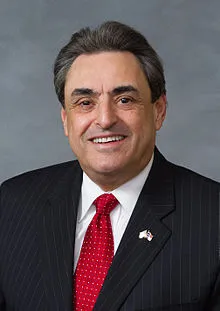
State Board of Elections of North Carolina
Term started 2025
Term ended 2026
-
Spread lies or promoted conspiracies about the legitimacy of the 2020 presidential election or subsequent election cycles in public, including in social media, press statements, or comments to the press.
-
Falsely claimed former President Trump won the 2020 presidential election instead of the legitimate winner, President Biden.
-
Refused to certify, or called on or pressured election officials to refuse to certify, the 2020 presidential election results or a race in subsequent elections based on meritless claims about election fraud, voter fraud, misinformation, or lies.
-
Taken action to undermine the integrity of the 2020 presidential election or subsequent election cycles, including:
Filing or supporting litigation seeking to overturn the results based on conspiracies or baseless legal theories.
Filing or supporting litigation that was sanctioned for being malicious or without merit in the aftermath of an election.
Promoting or participating in a Stop the Steal–sponsored or branded event or rally during or following the 2020 election.
Calling for a “forensic audit” of the 2020 presidential election or a race in subsequent elections after the results were certified, were officially audited, or stood up to multiple legal challenges.
-
Refused to concede a race, or publicly supported a candidate’s refusal to concede a race, after the results were officially audited or stood up to multiple legal challenges.
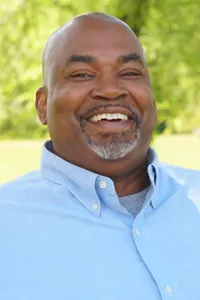
Ran for Governor of North Carolina in 2024
-
Spread lies or promoted conspiracies about the legitimacy of the 2020 presidential election or subsequent election cycles in public, including in social media, press statements, or comments to the press.
-
Falsely claimed former President Trump won the 2020 presidential election instead of the legitimate winner, President Biden.
-
Refused to certify, or called on or pressured election officials to refuse to certify, the 2020 presidential election results or a race in subsequent elections based on meritless claims about election fraud, voter fraud, misinformation, or lies.
-
Taken action to undermine the integrity of the 2020 presidential election or subsequent election cycles, including:
Filing or supporting litigation seeking to overturn the results based on conspiracies or baseless legal theories.
Filing or supporting litigation that was sanctioned for being malicious or without merit in the aftermath of an election.
Promoting or participating in a Stop the Steal–sponsored or branded event or rally during or following the 2020 election.
Calling for a “forensic audit” of the 2020 presidential election or a race in subsequent elections after the results were certified, were officially audited, or stood up to multiple legal challenges.
-
Refused to concede a race, or publicly supported a candidate’s refusal to concede a race, after the results were officially audited or stood up to multiple legal challenges.
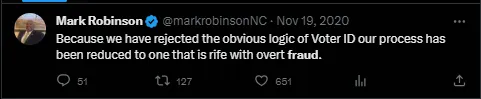
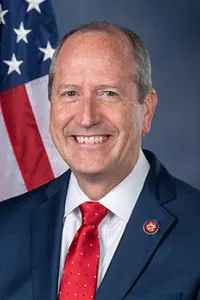
Ran for Attorney General of North Carolina in 2024
-
Spread lies or promoted conspiracies about the legitimacy of the 2020 presidential election or subsequent election cycles in public, including in social media, press statements, or comments to the press.
-
Refused to certify, or called on or pressured election officials to refuse to certify, the 2020 presidential election results or a race in subsequent elections based on meritless claims about election fraud, voter fraud, misinformation, or lies.
-
Taken action to undermine the integrity of the 2020 presidential election or subsequent election cycles, including:
Filing or supporting litigation seeking to overturn the results based on conspiracies or baseless legal theories.
Filing or supporting litigation that was sanctioned for being malicious or without merit in the aftermath of an election.
Promoting or participating in a Stop the Steal–sponsored or branded event or rally during or following the 2020 election.
Calling for a “forensic audit” of the 2020 presidential election or a race in subsequent elections after the results were certified, were officially audited, or stood up to multiple legal challenges.
-
Falsely claimed former President Trump won the 2020 presidential election instead of the legitimate winner, President Biden.
-
Refused to concede a race, or publicly supported a candidate’s refusal to concede a race, after the results were officially audited or stood up to multiple legal challenges.
Undermined Integrity
Undermined Integrity
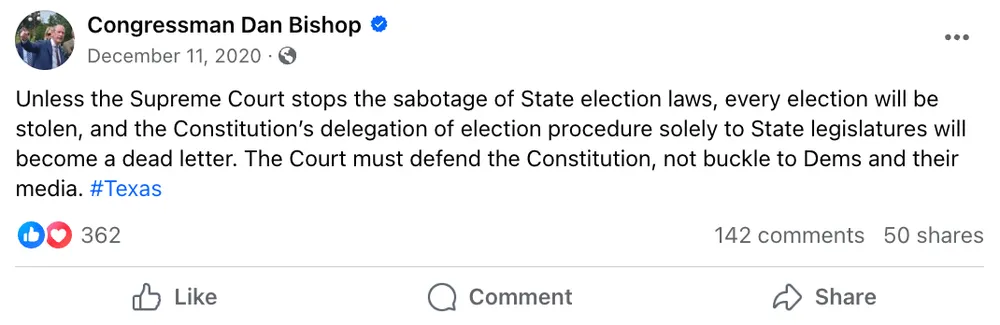
Undermined Integrity
Undermined Integrity
Spread Lies
Spread Lies
Pressured Officials
Undermined Integrity
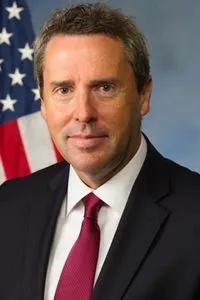
Ran for Governor of North Carolina in 2024
-
Spread lies or promoted conspiracies about the legitimacy of the 2020 presidential election or subsequent election cycles in public, including in social media, press statements, or comments to the press.
-
Taken action to undermine the integrity of the 2020 presidential election or subsequent election cycles, including:
Filing or supporting litigation seeking to overturn the results based on conspiracies or baseless legal theories.
Filing or supporting litigation that was sanctioned for being malicious or without merit in the aftermath of an election.
Promoting or participating in a Stop the Steal–sponsored or branded event or rally during or following the 2020 election.
Calling for a “forensic audit” of the 2020 presidential election or a race in subsequent elections after the results were certified, were officially audited, or stood up to multiple legal challenges.
-
Falsely claimed former President Trump won the 2020 presidential election instead of the legitimate winner, President Biden.
-
Refused to certify, or called on or pressured election officials to refuse to certify, the 2020 presidential election results or a race in subsequent elections based on meritless claims about election fraud, voter fraud, misinformation, or lies.
-
Refused to concede a race, or publicly supported a candidate’s refusal to concede a race, after the results were officially audited or stood up to multiple legal challenges.
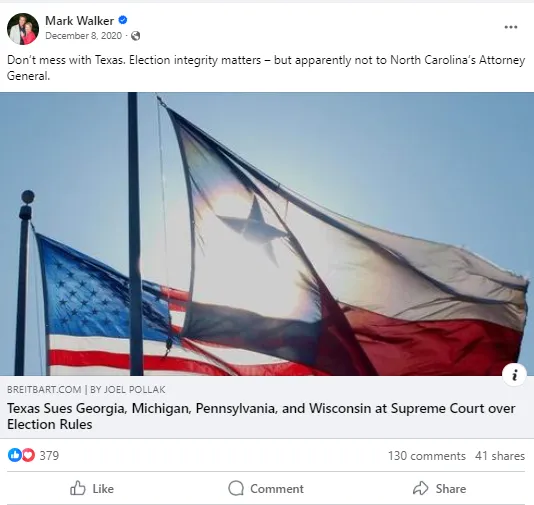
Election Deniers have held, or have run for, congressional office 13 times since 2022.
Explore past congressional officials and candidates in North Carolina who meet our Election Denier criteria.
Senator of North Carolina
Term started 2023
Term ends 2029
-
Refused to certify, or called on or pressured election officials to refuse to certify, the 2020 presidential election results or a race in subsequent elections based on meritless claims about election fraud, voter fraud, misinformation, or lies.
-
Taken action to undermine the integrity of the 2020 presidential election or subsequent election cycles, including:
Filing or supporting litigation seeking to overturn the results based on conspiracies or baseless legal theories.
Filing or supporting litigation that was sanctioned for being malicious or without merit in the aftermath of an election.
Promoting or participating in a Stop the Steal–sponsored or branded event or rally during or following the 2020 election.
Calling for a “forensic audit” of the 2020 presidential election or a race in subsequent elections after the results were certified, were officially audited, or stood up to multiple legal challenges.
-
Falsely claimed former President Trump won the 2020 presidential election instead of the legitimate winner, President Biden.
-
Spread lies or promoted conspiracies about the legitimacy of the 2020 presidential election or subsequent election cycles in public, including in social media, press statements, or comments to the press.
-
Refused to concede a race, or publicly supported a candidate’s refusal to concede a race, after the results were officially audited or stood up to multiple legal challenges.
Representative of North Carolina, District 3
Term started 2025
Term ends 2027
-
Refused to certify, or called on or pressured election officials to refuse to certify, the 2020 presidential election results or a race in subsequent elections based on meritless claims about election fraud, voter fraud, misinformation, or lies.
-
Taken action to undermine the integrity of the 2020 presidential election or subsequent election cycles, including:
Filing or supporting litigation seeking to overturn the results based on conspiracies or baseless legal theories.
Filing or supporting litigation that was sanctioned for being malicious or without merit in the aftermath of an election.
Promoting or participating in a Stop the Steal–sponsored or branded event or rally during or following the 2020 election.
Calling for a “forensic audit” of the 2020 presidential election or a race in subsequent elections after the results were certified, were officially audited, or stood up to multiple legal challenges.
-
Falsely claimed former President Trump won the 2020 presidential election instead of the legitimate winner, President Biden.
-
Spread lies or promoted conspiracies about the legitimacy of the 2020 presidential election or subsequent election cycles in public, including in social media, press statements, or comments to the press.
-
Refused to concede a race, or publicly supported a candidate’s refusal to concede a race, after the results were officially audited or stood up to multiple legal challenges.
Representative of North Carolina, District 3
Term started 2023
Term ended 2025
-
Refused to certify, or called on or pressured election officials to refuse to certify, the 2020 presidential election results or a race in subsequent elections based on meritless claims about election fraud, voter fraud, misinformation, or lies.
-
Taken action to undermine the integrity of the 2020 presidential election or subsequent election cycles, including:
Filing or supporting litigation seeking to overturn the results based on conspiracies or baseless legal theories.
Filing or supporting litigation that was sanctioned for being malicious or without merit in the aftermath of an election.
Promoting or participating in a Stop the Steal–sponsored or branded event or rally during or following the 2020 election.
Calling for a “forensic audit” of the 2020 presidential election or a race in subsequent elections after the results were certified, were officially audited, or stood up to multiple legal challenges.
-
Falsely claimed former President Trump won the 2020 presidential election instead of the legitimate winner, President Biden.
-
Spread lies or promoted conspiracies about the legitimacy of the 2020 presidential election or subsequent election cycles in public, including in social media, press statements, or comments to the press.
-
Refused to concede a race, or publicly supported a candidate’s refusal to concede a race, after the results were officially audited or stood up to multiple legal challenges.
Representative of North Carolina, District 5
Term started 2025
Term ends 2027
-
Refused to certify, or called on or pressured election officials to refuse to certify, the 2020 presidential election results or a race in subsequent elections based on meritless claims about election fraud, voter fraud, misinformation, or lies.
-
Taken action to undermine the integrity of the 2020 presidential election or subsequent election cycles, including:
Filing or supporting litigation seeking to overturn the results based on conspiracies or baseless legal theories.
Filing or supporting litigation that was sanctioned for being malicious or without merit in the aftermath of an election.
Promoting or participating in a Stop the Steal–sponsored or branded event or rally during or following the 2020 election.
Calling for a “forensic audit” of the 2020 presidential election or a race in subsequent elections after the results were certified, were officially audited, or stood up to multiple legal challenges.
-
Falsely claimed former President Trump won the 2020 presidential election instead of the legitimate winner, President Biden.
-
Spread lies or promoted conspiracies about the legitimacy of the 2020 presidential election or subsequent election cycles in public, including in social media, press statements, or comments to the press.
-
Refused to concede a race, or publicly supported a candidate’s refusal to concede a race, after the results were officially audited or stood up to multiple legal challenges.
Representative of North Carolina, District 5
Term started 2023
Term ended 2025
-
Refused to certify, or called on or pressured election officials to refuse to certify, the 2020 presidential election results or a race in subsequent elections based on meritless claims about election fraud, voter fraud, misinformation, or lies.
-
Taken action to undermine the integrity of the 2020 presidential election or subsequent election cycles, including:
Filing or supporting litigation seeking to overturn the results based on conspiracies or baseless legal theories.
Filing or supporting litigation that was sanctioned for being malicious or without merit in the aftermath of an election.
Promoting or participating in a Stop the Steal–sponsored or branded event or rally during or following the 2020 election.
Calling for a “forensic audit” of the 2020 presidential election or a race in subsequent elections after the results were certified, were officially audited, or stood up to multiple legal challenges.
-
Falsely claimed former President Trump won the 2020 presidential election instead of the legitimate winner, President Biden.
-
Spread lies or promoted conspiracies about the legitimacy of the 2020 presidential election or subsequent election cycles in public, including in social media, press statements, or comments to the press.
-
Refused to concede a race, or publicly supported a candidate’s refusal to concede a race, after the results were officially audited or stood up to multiple legal challenges.
Representative of North Carolina, District 7
Term started 2025
Term ends 2027
-
Refused to certify, or called on or pressured election officials to refuse to certify, the 2020 presidential election results or a race in subsequent elections based on meritless claims about election fraud, voter fraud, misinformation, or lies.
-
Taken action to undermine the integrity of the 2020 presidential election or subsequent election cycles, including:
Filing or supporting litigation seeking to overturn the results based on conspiracies or baseless legal theories.
Filing or supporting litigation that was sanctioned for being malicious or without merit in the aftermath of an election.
Promoting or participating in a Stop the Steal–sponsored or branded event or rally during or following the 2020 election.
Calling for a “forensic audit” of the 2020 presidential election or a race in subsequent elections after the results were certified, were officially audited, or stood up to multiple legal challenges.
-
Falsely claimed former President Trump won the 2020 presidential election instead of the legitimate winner, President Biden.
-
Spread lies or promoted conspiracies about the legitimacy of the 2020 presidential election or subsequent election cycles in public, including in social media, press statements, or comments to the press.
-
Refused to concede a race, or publicly supported a candidate’s refusal to concede a race, after the results were officially audited or stood up to multiple legal challenges.
Representative of North Carolina, District 7
Term started 2023
Term ended 2025
-
Refused to certify, or called on or pressured election officials to refuse to certify, the 2020 presidential election results or a race in subsequent elections based on meritless claims about election fraud, voter fraud, misinformation, or lies.
-
Taken action to undermine the integrity of the 2020 presidential election or subsequent election cycles, including:
Filing or supporting litigation seeking to overturn the results based on conspiracies or baseless legal theories.
Filing or supporting litigation that was sanctioned for being malicious or without merit in the aftermath of an election.
Promoting or participating in a Stop the Steal–sponsored or branded event or rally during or following the 2020 election.
Calling for a “forensic audit” of the 2020 presidential election or a race in subsequent elections after the results were certified, were officially audited, or stood up to multiple legal challenges.
-
Falsely claimed former President Trump won the 2020 presidential election instead of the legitimate winner, President Biden.
-
Spread lies or promoted conspiracies about the legitimacy of the 2020 presidential election or subsequent election cycles in public, including in social media, press statements, or comments to the press.
-
Refused to concede a race, or publicly supported a candidate’s refusal to concede a race, after the results were officially audited or stood up to multiple legal challenges.
Representative of North Carolina, District 8
Term started 2023
Term ended 2025
-
Spread lies or promoted conspiracies about the legitimacy of the 2020 presidential election or subsequent election cycles in public, including in social media, press statements, or comments to the press.
-
Refused to certify, or called on or pressured election officials to refuse to certify, the 2020 presidential election results or a race in subsequent elections based on meritless claims about election fraud, voter fraud, misinformation, or lies.
-
Taken action to undermine the integrity of the 2020 presidential election or subsequent election cycles, including:
Filing or supporting litigation seeking to overturn the results based on conspiracies or baseless legal theories.
Filing or supporting litigation that was sanctioned for being malicious or without merit in the aftermath of an election.
Promoting or participating in a Stop the Steal–sponsored or branded event or rally during or following the 2020 election.
Calling for a “forensic audit” of the 2020 presidential election or a race in subsequent elections after the results were certified, were officially audited, or stood up to multiple legal challenges.
-
Falsely claimed former President Trump won the 2020 presidential election instead of the legitimate winner, President Biden.
-
Refused to concede a race, or publicly supported a candidate’s refusal to concede a race, after the results were officially audited or stood up to multiple legal challenges.
Undermined Integrity
Undermined Integrity
Undermined Integrity
Undermined Integrity
Spread Lies
Spread Lies
Pressured Officials
Undermined Integrity
Representative of North Carolina, District 9
Term started 2025
Term ends 2027
-
Refused to certify, or called on or pressured election officials to refuse to certify, the 2020 presidential election results or a race in subsequent elections based on meritless claims about election fraud, voter fraud, misinformation, or lies.
-
Taken action to undermine the integrity of the 2020 presidential election or subsequent election cycles, including:
Filing or supporting litigation seeking to overturn the results based on conspiracies or baseless legal theories.
Filing or supporting litigation that was sanctioned for being malicious or without merit in the aftermath of an election.
Promoting or participating in a Stop the Steal–sponsored or branded event or rally during or following the 2020 election.
Calling for a “forensic audit” of the 2020 presidential election or a race in subsequent elections after the results were certified, were officially audited, or stood up to multiple legal challenges.
-
Falsely claimed former President Trump won the 2020 presidential election instead of the legitimate winner, President Biden.
-
Spread lies or promoted conspiracies about the legitimacy of the 2020 presidential election or subsequent election cycles in public, including in social media, press statements, or comments to the press.
-
Refused to concede a race, or publicly supported a candidate’s refusal to concede a race, after the results were officially audited or stood up to multiple legal challenges.
Representative of North Carolina, District 9
Term started 2023
Term ended 2025
-
Refused to certify, or called on or pressured election officials to refuse to certify, the 2020 presidential election results or a race in subsequent elections based on meritless claims about election fraud, voter fraud, misinformation, or lies.
-
Taken action to undermine the integrity of the 2020 presidential election or subsequent election cycles, including:
Filing or supporting litigation seeking to overturn the results based on conspiracies or baseless legal theories.
Filing or supporting litigation that was sanctioned for being malicious or without merit in the aftermath of an election.
Promoting or participating in a Stop the Steal–sponsored or branded event or rally during or following the 2020 election.
Calling for a “forensic audit” of the 2020 presidential election or a race in subsequent elections after the results were certified, were officially audited, or stood up to multiple legal challenges.
-
Falsely claimed former President Trump won the 2020 presidential election instead of the legitimate winner, President Biden.
-
Spread lies or promoted conspiracies about the legitimacy of the 2020 presidential election or subsequent election cycles in public, including in social media, press statements, or comments to the press.
-
Refused to concede a race, or publicly supported a candidate’s refusal to concede a race, after the results were officially audited or stood up to multiple legal challenges.
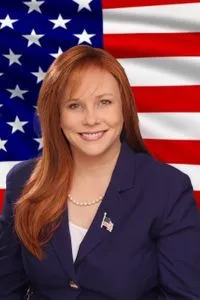
Ran for Representative of North Carolina, District 1 in 2022
-
Taken action to undermine the integrity of the 2020 presidential election or subsequent election cycles, including:
Filing or supporting litigation seeking to overturn the results based on conspiracies or baseless legal theories.
Filing or supporting litigation that was sanctioned for being malicious or without merit in the aftermath of an election.
Promoting or participating in a Stop the Steal–sponsored or branded event or rally during or following the 2020 election.
Calling for a “forensic audit” of the 2020 presidential election or a race in subsequent elections after the results were certified, were officially audited, or stood up to multiple legal challenges.
-
Falsely claimed former President Trump won the 2020 presidential election instead of the legitimate winner, President Biden.
-
Spread lies or promoted conspiracies about the legitimacy of the 2020 presidential election or subsequent election cycles in public, including in social media, press statements, or comments to the press.
-
Refused to certify, or called on or pressured election officials to refuse to certify, the 2020 presidential election results or a race in subsequent elections based on meritless claims about election fraud, voter fraud, misinformation, or lies.
-
Refused to concede a race, or publicly supported a candidate’s refusal to concede a race, after the results were officially audited or stood up to multiple legal challenges.
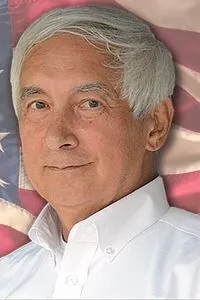
Ran for Representative of North Carolina, District 2 in 2024
-
Refused to certify, or called on or pressured election officials to refuse to certify, the 2020 presidential election results or a race in subsequent elections based on meritless claims about election fraud, voter fraud, misinformation, or lies.
-
Falsely claimed former President Trump won the 2020 presidential election instead of the legitimate winner, President Biden.
-
Spread lies or promoted conspiracies about the legitimacy of the 2020 presidential election or subsequent election cycles in public, including in social media, press statements, or comments to the press.
-
Taken action to undermine the integrity of the 2020 presidential election or subsequent election cycles, including:
Filing or supporting litigation seeking to overturn the results based on conspiracies or baseless legal theories.
Filing or supporting litigation that was sanctioned for being malicious or without merit in the aftermath of an election.
Promoting or participating in a Stop the Steal–sponsored or branded event or rally during or following the 2020 election.
Calling for a “forensic audit” of the 2020 presidential election or a race in subsequent elections after the results were certified, were officially audited, or stood up to multiple legal challenges.
-
Refused to concede a race, or publicly supported a candidate’s refusal to concede a race, after the results were officially audited or stood up to multiple legal challenges.

Ran for Representative of North Carolina, District 13 in 2022
-
Spread lies or promoted conspiracies about the legitimacy of the 2020 presidential election or subsequent election cycles in public, including in social media, press statements, or comments to the press.
-
Falsely claimed former President Trump won the 2020 presidential election instead of the legitimate winner, President Biden.
-
Refused to certify, or called on or pressured election officials to refuse to certify, the 2020 presidential election results or a race in subsequent elections based on meritless claims about election fraud, voter fraud, misinformation, or lies.
-
Taken action to undermine the integrity of the 2020 presidential election or subsequent election cycles, including:
Filing or supporting litigation seeking to overturn the results based on conspiracies or baseless legal theories.
Filing or supporting litigation that was sanctioned for being malicious or without merit in the aftermath of an election.
Promoting or participating in a Stop the Steal–sponsored or branded event or rally during or following the 2020 election.
Calling for a “forensic audit” of the 2020 presidential election or a race in subsequent elections after the results were certified, were officially audited, or stood up to multiple legal challenges.
-
Refused to concede a race, or publicly supported a candidate’s refusal to concede a race, after the results were officially audited or stood up to multiple legal challenges.
Voter turnout over time
Voters are always the backstop against election denial, whether Election Deniers are already in office or vying for power. It’s important to turn out for every election in your state—and to vote in every race on your ballot. Downballot races, like contests for Attorney General and Secretary of State, have historically drawn fewer voters, even though the positions are critical to keeping elections free, fair, and secure. Here’s a look at voter participation in North Carolina elections over time. Notice that in years with several important positions up for election, some voters choose not to vote in every race.
Voter Participation in North Carolina Since 2016
- #071B40
- President
- #2455A0
- Senator
- #4387F1
- Governor
- #A7C5F3
- Attorney General
- #EDF3FD
- Secretary of State
2016 Presidential
-
President had a 66% voter turnout rate
-
Senator had a 65% voter turnout rate
-
Governor had a 65% voter turnout rate
-
Attorney General had a 64% voter turnout rate
-
Secretary of State had a 63% voter turnout rate
-
2020 Presidential
-
President had a 72% voter turnout rate
-
Senator had a 72% voter turnout rate
-
Governor had a 72% voter turnout rate
-
Attorney General had a 71% voter turnout rate
-
Secretary of State had a 71% voter turnout rate
-
2022 Midterm
-
Senator had a 49% voter turnout rate
-
2024 Presidential
-
President had a 71% voter turnout rate
-
Governor had a 70% voter turnout rate
-
Attorney General had a 70% voter turnout rate
-
Secretary of State had a 69% voter turnout rate
-
Voter turnout
Data on the number of votes cast in each race are from state elections depositories, supplemented with data from the U.S. Election Assistance Commission (EAC), House Election Statistics, and The Book of States. Rates are calculated using the Census’s Citizen Voting Age Population (CVAP) estimates.