Election Denial in South Carolina
0 Election Deniers have won races for U.S. House in 2026. Explore
3 races for U.S. House where Election Deniers are on the ballot are not yet called. Explore
0 Election Deniers have won races for U.S. Senate in 2026. Explore
0 races for U.S. Senate where Election Deniers are on the ballot. Explore
1 Election Denier is on the ballot for statewide office. Explore
The landscape in South Carolina
South Carolina handed over its complete state voter rolls to the Justice Department in 2026, including voters’ sensitive personal information.
The Justice Department’s demand that states turn over their voter rolls is part of the Trump administration’s strategy to limit who can vote and discredit any 2026 election results it doesn’t like. The federal government is using its immense power to intimidate states into turning over protected data and changing their voting processes to fit the president’s whims.
South Carolina’s Republican nominee for governor in 2026, Alan Wilson, is an Election Denier. As state attorney general, he supported Texas v. Pennsylvania, the failed 2020 case that asked the Supreme Court to overturn the election results in four states that voted for Joe Biden.
“Regardless of your ideological beliefs, we must all agree that free and fair elections are the keystone of democracy,” Wilson said at the time, ignoring the fact that the election was already free and fair. In fact, the 2020 election results were verified by election officials in every state. In dozens of failed lawsuits, President Trump and his allies provided no credible evidence of fraud or illegality. Trump’s own cybersecurity officials declared the 2020 election the most secure in U.S. history.
Election Denier activity in South Carolina dates back to the 2020 election itself. When Congress met to certify the 2020 election on Jan. 6, 2021, five representatives from South Carolina voted against it. Three still represent South Carolina in Congress.
1 Election Denier holds statewide Office right now.
Elections are run by the states. In South Carolina, the Governor, Attorney General, and executive director of the state Election Commission are the state officials responsible for overseeing elections. In most states, the Secretary of State is the chief election official. South Carolina is an exception: The state Election Commission appoints an executive director. It’s up to all of them to make sure the will of the people is always respected.
Read more about The Roles of Our Elected Officials in Elections
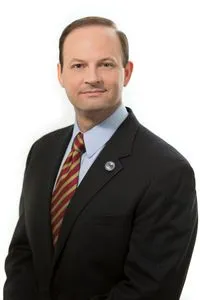
Attorney General of South Carolina
Term started 2023
Term ends 2027
-
Taken action to undermine the integrity of the 2020 presidential election or subsequent election cycles, including:
Filing or supporting litigation seeking to overturn the results based on conspiracies or baseless legal theories.
Filing or supporting litigation that was sanctioned for being malicious or without merit in the aftermath of an election.
Promoting or participating in a Stop the Steal–sponsored or branded event or rally during or following the 2020 election.
Calling for a “forensic audit” of the 2020 presidential election or a race in subsequent elections after the results were certified, were officially audited, or stood up to multiple legal challenges.
-
Falsely claimed former President Trump won the 2020 presidential election instead of the legitimate winner, President Biden.
-
Spread lies or promoted conspiracies about the legitimacy of the 2020 presidential election or subsequent election cycles in public, including in social media, press statements, or comments to the press.
-
Refused to certify, or called on or pressured election officials to refuse to certify, the 2020 presidential election results or a race in subsequent elections based on meritless claims about election fraud, voter fraud, misinformation, or lies.
-
Refused to concede a race, or publicly supported a candidate’s refusal to concede a race, after the results were officially audited or stood up to multiple legal challenges.
1 Election Denier is on statewide Ballots in races we're tracking.
South Carolina has a race in 2026 for at least one of the statewide offices that oversee elections. Here are the candidates.
Read more about The Roles of Our Elected Officials in Elections
Running for Governor of South Carolina
-
Taken action to undermine the integrity of the 2020 presidential election or subsequent election cycles, including:
Filing or supporting litigation seeking to overturn the results based on conspiracies or baseless legal theories.
Filing or supporting litigation that was sanctioned for being malicious or without merit in the aftermath of an election.
Promoting or participating in a Stop the Steal–sponsored or branded event or rally during or following the 2020 election.
Calling for a “forensic audit” of the 2020 presidential election or a race in subsequent elections after the results were certified, were officially audited, or stood up to multiple legal challenges.
-
Falsely claimed former President Trump won the 2020 presidential election instead of the legitimate winner, President Biden.
-
Spread lies or promoted conspiracies about the legitimacy of the 2020 presidential election or subsequent election cycles in public, including in social media, press statements, or comments to the press.
-
Refused to certify, or called on or pressured election officials to refuse to certify, the 2020 presidential election results or a race in subsequent elections based on meritless claims about election fraud, voter fraud, misinformation, or lies.
-
Refused to concede a race, or publicly supported a candidate’s refusal to concede a race, after the results were officially audited or stood up to multiple legal challenges.
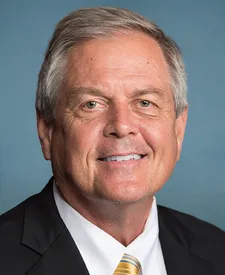
Running for Governor of South Carolina
-
Refused to certify, or called on or pressured election officials to refuse to certify, the 2020 presidential election results or a race in subsequent elections based on meritless claims about election fraud, voter fraud, misinformation, or lies.
-
Taken action to undermine the integrity of the 2020 presidential election or subsequent election cycles, including:
Filing or supporting litigation seeking to overturn the results based on conspiracies or baseless legal theories.
Filing or supporting litigation that was sanctioned for being malicious or without merit in the aftermath of an election.
Promoting or participating in a Stop the Steal–sponsored or branded event or rally during or following the 2020 election.
Calling for a “forensic audit” of the 2020 presidential election or a race in subsequent elections after the results were certified, were officially audited, or stood up to multiple legal challenges.
-
Falsely claimed former President Trump won the 2020 presidential election instead of the legitimate winner, President Biden.
-
Spread lies or promoted conspiracies about the legitimacy of the 2020 presidential election or subsequent election cycles in public, including in social media, press statements, or comments to the press.
-
Refused to concede a race, or publicly supported a candidate’s refusal to concede a race, after the results were officially audited or stood up to multiple legal challenges.
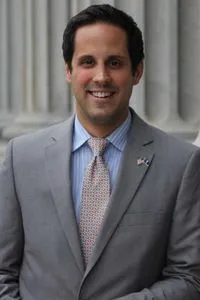
Running for Governor of South Carolina
-
Spread lies or promoted conspiracies about the legitimacy of the 2020 presidential election or subsequent election cycles in public, including in social media, press statements, or comments to the press.
-
Falsely claimed former President Trump won the 2020 presidential election instead of the legitimate winner, President Biden.
-
Refused to certify, or called on or pressured election officials to refuse to certify, the 2020 presidential election results or a race in subsequent elections based on meritless claims about election fraud, voter fraud, misinformation, or lies.
-
Taken action to undermine the integrity of the 2020 presidential election or subsequent election cycles, including:
Filing or supporting litigation seeking to overturn the results based on conspiracies or baseless legal theories.
Filing or supporting litigation that was sanctioned for being malicious or without merit in the aftermath of an election.
Promoting or participating in a Stop the Steal–sponsored or branded event or rally during or following the 2020 election.
Calling for a “forensic audit” of the 2020 presidential election or a race in subsequent elections after the results were certified, were officially audited, or stood up to multiple legal challenges.
-
Refused to concede a race, or publicly supported a candidate’s refusal to concede a race, after the results were officially audited or stood up to multiple legal challenges.
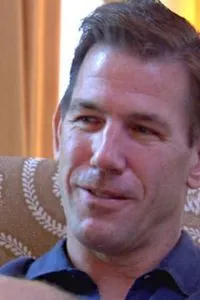
Running for Governor of South Carolina
-
Spread lies or promoted conspiracies about the legitimacy of the 2020 presidential election or subsequent election cycles in public, including in social media, press statements, or comments to the press.
-
Falsely claimed former President Trump won the 2020 presidential election instead of the legitimate winner, President Biden.
-
Refused to certify, or called on or pressured election officials to refuse to certify, the 2020 presidential election results or a race in subsequent elections based on meritless claims about election fraud, voter fraud, misinformation, or lies.
-
Taken action to undermine the integrity of the 2020 presidential election or subsequent election cycles, including:
Filing or supporting litigation seeking to overturn the results based on conspiracies or baseless legal theories.
Filing or supporting litigation that was sanctioned for being malicious or without merit in the aftermath of an election.
Promoting or participating in a Stop the Steal–sponsored or branded event or rally during or following the 2020 election.
Calling for a “forensic audit” of the 2020 presidential election or a race in subsequent elections after the results were certified, were officially audited, or stood up to multiple legal challenges.
-
Refused to concede a race, or publicly supported a candidate’s refusal to concede a race, after the results were officially audited or stood up to multiple legal challenges.
4 Election Deniers are sitting members of congress right now.
Election Deniers make up 44 percent of South Carolina’s 9-member Congressional delegation. Members of Congress have a public platform to build up or tear down trust in our elections. And they have concrete responsibilities, too, such as determining federal funding for elections.
Read more about The Roles of Our Elected Officials in Elections
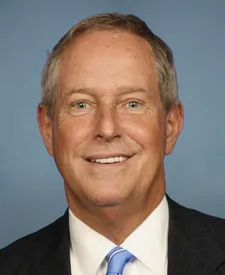
Representative of South Carolina, District 2
Term started 2025
Term ends 2027
-
Refused to certify, or called on or pressured election officials to refuse to certify, the 2020 presidential election results or a race in subsequent elections based on meritless claims about election fraud, voter fraud, misinformation, or lies.
-
Taken action to undermine the integrity of the 2020 presidential election or subsequent election cycles, including:
Filing or supporting litigation seeking to overturn the results based on conspiracies or baseless legal theories.
Filing or supporting litigation that was sanctioned for being malicious or without merit in the aftermath of an election.
Promoting or participating in a Stop the Steal–sponsored or branded event or rally during or following the 2020 election.
Calling for a “forensic audit” of the 2020 presidential election or a race in subsequent elections after the results were certified, were officially audited, or stood up to multiple legal challenges.
-
Falsely claimed former President Trump won the 2020 presidential election instead of the legitimate winner, President Biden.
-
Spread lies or promoted conspiracies about the legitimacy of the 2020 presidential election or subsequent election cycles in public, including in social media, press statements, or comments to the press.
-
Refused to concede a race, or publicly supported a candidate’s refusal to concede a race, after the results were officially audited or stood up to multiple legal challenges.
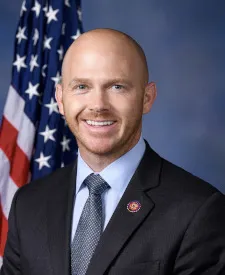
Representative of South Carolina, District 4
Term started 2025
Term ends 2027
-
Refused to certify, or called on or pressured election officials to refuse to certify, the 2020 presidential election results or a race in subsequent elections based on meritless claims about election fraud, voter fraud, misinformation, or lies.
-
Taken action to undermine the integrity of the 2020 presidential election or subsequent election cycles, including:
Filing or supporting litigation seeking to overturn the results based on conspiracies or baseless legal theories.
Filing or supporting litigation that was sanctioned for being malicious or without merit in the aftermath of an election.
Promoting or participating in a Stop the Steal–sponsored or branded event or rally during or following the 2020 election.
Calling for a “forensic audit” of the 2020 presidential election or a race in subsequent elections after the results were certified, were officially audited, or stood up to multiple legal challenges.
-
Falsely claimed former President Trump won the 2020 presidential election instead of the legitimate winner, President Biden.
-
Spread lies or promoted conspiracies about the legitimacy of the 2020 presidential election or subsequent election cycles in public, including in social media, press statements, or comments to the press.
-
Refused to concede a race, or publicly supported a candidate’s refusal to concede a race, after the results were officially audited or stood up to multiple legal challenges.
Representative of South Carolina, District 5
Term started 2025
Term ends 2027
-
Refused to certify, or called on or pressured election officials to refuse to certify, the 2020 presidential election results or a race in subsequent elections based on meritless claims about election fraud, voter fraud, misinformation, or lies.
-
Taken action to undermine the integrity of the 2020 presidential election or subsequent election cycles, including:
Filing or supporting litigation seeking to overturn the results based on conspiracies or baseless legal theories.
Filing or supporting litigation that was sanctioned for being malicious or without merit in the aftermath of an election.
Promoting or participating in a Stop the Steal–sponsored or branded event or rally during or following the 2020 election.
Calling for a “forensic audit” of the 2020 presidential election or a race in subsequent elections after the results were certified, were officially audited, or stood up to multiple legal challenges.
-
Falsely claimed former President Trump won the 2020 presidential election instead of the legitimate winner, President Biden.
-
Spread lies or promoted conspiracies about the legitimacy of the 2020 presidential election or subsequent election cycles in public, including in social media, press statements, or comments to the press.
-
Refused to concede a race, or publicly supported a candidate’s refusal to concede a race, after the results were officially audited or stood up to multiple legal challenges.
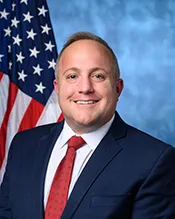
Representative of South Carolina, District 7
Term started 2025
Term ends 2027
-
Spread lies or promoted conspiracies about the legitimacy of the 2020 presidential election or subsequent election cycles in public, including in social media, press statements, or comments to the press.
-
Falsely claimed former President Trump won the 2020 presidential election instead of the legitimate winner, President Biden.
-
Refused to certify, or called on or pressured election officials to refuse to certify, the 2020 presidential election results or a race in subsequent elections based on meritless claims about election fraud, voter fraud, misinformation, or lies.
-
Taken action to undermine the integrity of the 2020 presidential election or subsequent election cycles, including:
Filing or supporting litigation seeking to overturn the results based on conspiracies or baseless legal theories.
Filing or supporting litigation that was sanctioned for being malicious or without merit in the aftermath of an election.
Promoting or participating in a Stop the Steal–sponsored or branded event or rally during or following the 2020 election.
Calling for a “forensic audit” of the 2020 presidential election or a race in subsequent elections after the results were certified, were officially audited, or stood up to multiple legal challenges.
-
Refused to concede a race, or publicly supported a candidate’s refusal to concede a race, after the results were officially audited or stood up to multiple legal challenges.
3 Election Deniers are on the ballot for Congress in November in races we're tracking.
Here are the Election Deniers running in 2026 to represent South Carolina in the House or Senate who are advancing to November. Remember: Some members of Congress elected this year will be voting on whether to certify the 2028 Presidential election.
Note: We are only tracking Election Deniers who have won their primaries and are advancing to the November general election. We are not tracking all Election Denier candidates ahead of state primaries. Click here to view Election Deniers who already hold seats in Congress right now.
Read more about The Roles of Our Elected Officials in Elections
Running for Representative of South Carolina, District 2
-
Refused to certify, or called on or pressured election officials to refuse to certify, the 2020 presidential election results or a race in subsequent elections based on meritless claims about election fraud, voter fraud, misinformation, or lies.
-
Taken action to undermine the integrity of the 2020 presidential election or subsequent election cycles, including:
Filing or supporting litigation seeking to overturn the results based on conspiracies or baseless legal theories.
Filing or supporting litigation that was sanctioned for being malicious or without merit in the aftermath of an election.
Promoting or participating in a Stop the Steal–sponsored or branded event or rally during or following the 2020 election.
Calling for a “forensic audit” of the 2020 presidential election or a race in subsequent elections after the results were certified, were officially audited, or stood up to multiple legal challenges.
-
Falsely claimed former President Trump won the 2020 presidential election instead of the legitimate winner, President Biden.
-
Spread lies or promoted conspiracies about the legitimacy of the 2020 presidential election or subsequent election cycles in public, including in social media, press statements, or comments to the press.
-
Refused to concede a race, or publicly supported a candidate’s refusal to concede a race, after the results were officially audited or stood up to multiple legal challenges.
Running for Representative of South Carolina, District 4
-
Refused to certify, or called on or pressured election officials to refuse to certify, the 2020 presidential election results or a race in subsequent elections based on meritless claims about election fraud, voter fraud, misinformation, or lies.
-
Taken action to undermine the integrity of the 2020 presidential election or subsequent election cycles, including:
Filing or supporting litigation seeking to overturn the results based on conspiracies or baseless legal theories.
Filing or supporting litigation that was sanctioned for being malicious or without merit in the aftermath of an election.
Promoting or participating in a Stop the Steal–sponsored or branded event or rally during or following the 2020 election.
Calling for a “forensic audit” of the 2020 presidential election or a race in subsequent elections after the results were certified, were officially audited, or stood up to multiple legal challenges.
-
Falsely claimed former President Trump won the 2020 presidential election instead of the legitimate winner, President Biden.
-
Spread lies or promoted conspiracies about the legitimacy of the 2020 presidential election or subsequent election cycles in public, including in social media, press statements, or comments to the press.
-
Refused to concede a race, or publicly supported a candidate’s refusal to concede a race, after the results were officially audited or stood up to multiple legal challenges.
Running for Representative of South Carolina, District 7
-
Spread lies or promoted conspiracies about the legitimacy of the 2020 presidential election or subsequent election cycles in public, including in social media, press statements, or comments to the press.
-
Falsely claimed former President Trump won the 2020 presidential election instead of the legitimate winner, President Biden.
-
Refused to certify, or called on or pressured election officials to refuse to certify, the 2020 presidential election results or a race in subsequent elections based on meritless claims about election fraud, voter fraud, misinformation, or lies.
-
Taken action to undermine the integrity of the 2020 presidential election or subsequent election cycles, including:
Filing or supporting litigation seeking to overturn the results based on conspiracies or baseless legal theories.
Filing or supporting litigation that was sanctioned for being malicious or without merit in the aftermath of an election.
Promoting or participating in a Stop the Steal–sponsored or branded event or rally during or following the 2020 election.
Calling for a “forensic audit” of the 2020 presidential election or a race in subsequent elections after the results were certified, were officially audited, or stood up to multiple legal challenges.
-
Refused to concede a race, or publicly supported a candidate’s refusal to concede a race, after the results were officially audited or stood up to multiple legal challenges.
How South Carolina compares
Every state runs its own elections, with its own laws and processes. Check out how South Carolina compares with other states in its region when it comes to Election Deniers holding state election administration jobs.
Election Denial in Southeast States
Sitting official is an Election Denier
- In Florida, the Governor appoints the Secretary of State. Florida Governor Ron DeSantis is an Election Denier and appointed Cord Byrd as Florida’s Secretary of State in May 2022.
- In North Carolina, the Executive Director is appointed by the North Carolina State Board of Elections.
- In South Carolina, the Executive Director is appointed by the South Carolina Election Commission.
- In Tennessee, the Secretary of State is appointed by the legislature.
- In Virginia, the Governor appoints the Commissioner of Elections.
Election Denial in Ongoing Races
States are colored by the number of Election Deniers running for office:
0
1
2
3+
Election Deniers have held, or have run for, statewide Office 3 times since 2020.
Even one Election Denier with election oversight power is a threat to the will of the people. Here are the Election Deniers who have sought control over South Carolina elections in recent years.
Attorney General of South Carolina
Term started 2023
Term ends 2027
-
Taken action to undermine the integrity of the 2020 presidential election or subsequent election cycles, including:
Filing or supporting litigation seeking to overturn the results based on conspiracies or baseless legal theories.
Filing or supporting litigation that was sanctioned for being malicious or without merit in the aftermath of an election.
Promoting or participating in a Stop the Steal–sponsored or branded event or rally during or following the 2020 election.
Calling for a “forensic audit” of the 2020 presidential election or a race in subsequent elections after the results were certified, were officially audited, or stood up to multiple legal challenges.
-
Falsely claimed former President Trump won the 2020 presidential election instead of the legitimate winner, President Biden.
-
Spread lies or promoted conspiracies about the legitimacy of the 2020 presidential election or subsequent election cycles in public, including in social media, press statements, or comments to the press.
-
Refused to certify, or called on or pressured election officials to refuse to certify, the 2020 presidential election results or a race in subsequent elections based on meritless claims about election fraud, voter fraud, misinformation, or lies.
-
Refused to concede a race, or publicly supported a candidate’s refusal to concede a race, after the results were officially audited or stood up to multiple legal challenges.
Attorney General of South Carolina
Term started 2019
Term ended 2023
-
Taken action to undermine the integrity of the 2020 presidential election or subsequent election cycles, including:
Filing or supporting litigation seeking to overturn the results based on conspiracies or baseless legal theories.
Filing or supporting litigation that was sanctioned for being malicious or without merit in the aftermath of an election.
Promoting or participating in a Stop the Steal–sponsored or branded event or rally during or following the 2020 election.
Calling for a “forensic audit” of the 2020 presidential election or a race in subsequent elections after the results were certified, were officially audited, or stood up to multiple legal challenges.
-
Falsely claimed former President Trump won the 2020 presidential election instead of the legitimate winner, President Biden.
-
Spread lies or promoted conspiracies about the legitimacy of the 2020 presidential election or subsequent election cycles in public, including in social media, press statements, or comments to the press.
-
Refused to certify, or called on or pressured election officials to refuse to certify, the 2020 presidential election results or a race in subsequent elections based on meritless claims about election fraud, voter fraud, misinformation, or lies.
-
Refused to concede a race, or publicly supported a candidate’s refusal to concede a race, after the results were officially audited or stood up to multiple legal challenges.
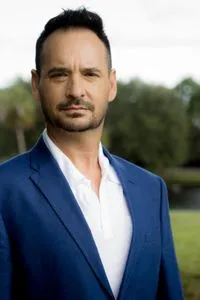
Ran for Secretary of State of South Carolina in 2022
-
Spread lies or promoted conspiracies about the legitimacy of the 2020 presidential election or subsequent election cycles in public, including in social media, press statements, or comments to the press.
-
Falsely claimed former President Trump won the 2020 presidential election instead of the legitimate winner, President Biden.
-
Refused to certify, or called on or pressured election officials to refuse to certify, the 2020 presidential election results or a race in subsequent elections based on meritless claims about election fraud, voter fraud, misinformation, or lies.
-
Taken action to undermine the integrity of the 2020 presidential election or subsequent election cycles, including:
Filing or supporting litigation seeking to overturn the results based on conspiracies or baseless legal theories.
Filing or supporting litigation that was sanctioned for being malicious or without merit in the aftermath of an election.
Promoting or participating in a Stop the Steal–sponsored or branded event or rally during or following the 2020 election.
Calling for a “forensic audit” of the 2020 presidential election or a race in subsequent elections after the results were certified, were officially audited, or stood up to multiple legal challenges.
-
Refused to concede a race, or publicly supported a candidate’s refusal to concede a race, after the results were officially audited or stood up to multiple legal challenges.
Election Deniers have held, or have run for, congressional office 10 times since 2022.
Explore past congressional officials and candidates in South Carolina who meet our Election Denier criteria.
Representative of South Carolina, District 2
Term started 2025
Term ends 2027
-
Refused to certify, or called on or pressured election officials to refuse to certify, the 2020 presidential election results or a race in subsequent elections based on meritless claims about election fraud, voter fraud, misinformation, or lies.
-
Taken action to undermine the integrity of the 2020 presidential election or subsequent election cycles, including:
Filing or supporting litigation seeking to overturn the results based on conspiracies or baseless legal theories.
Filing or supporting litigation that was sanctioned for being malicious or without merit in the aftermath of an election.
Promoting or participating in a Stop the Steal–sponsored or branded event or rally during or following the 2020 election.
Calling for a “forensic audit” of the 2020 presidential election or a race in subsequent elections after the results were certified, were officially audited, or stood up to multiple legal challenges.
-
Falsely claimed former President Trump won the 2020 presidential election instead of the legitimate winner, President Biden.
-
Spread lies or promoted conspiracies about the legitimacy of the 2020 presidential election or subsequent election cycles in public, including in social media, press statements, or comments to the press.
-
Refused to concede a race, or publicly supported a candidate’s refusal to concede a race, after the results were officially audited or stood up to multiple legal challenges.
Representative of South Carolina, District 2
Term started 2023
Term ended 2025
-
Refused to certify, or called on or pressured election officials to refuse to certify, the 2020 presidential election results or a race in subsequent elections based on meritless claims about election fraud, voter fraud, misinformation, or lies.
-
Taken action to undermine the integrity of the 2020 presidential election or subsequent election cycles, including:
Filing or supporting litigation seeking to overturn the results based on conspiracies or baseless legal theories.
Filing or supporting litigation that was sanctioned for being malicious or without merit in the aftermath of an election.
Promoting or participating in a Stop the Steal–sponsored or branded event or rally during or following the 2020 election.
Calling for a “forensic audit” of the 2020 presidential election or a race in subsequent elections after the results were certified, were officially audited, or stood up to multiple legal challenges.
-
Falsely claimed former President Trump won the 2020 presidential election instead of the legitimate winner, President Biden.
-
Spread lies or promoted conspiracies about the legitimacy of the 2020 presidential election or subsequent election cycles in public, including in social media, press statements, or comments to the press.
-
Refused to concede a race, or publicly supported a candidate’s refusal to concede a race, after the results were officially audited or stood up to multiple legal challenges.
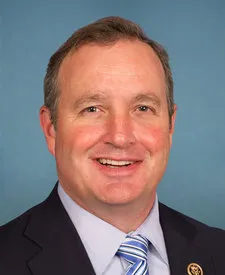
Representative of South Carolina, District 3
Term started 2023
Term ended 2025
-
Refused to certify, or called on or pressured election officials to refuse to certify, the 2020 presidential election results or a race in subsequent elections based on meritless claims about election fraud, voter fraud, misinformation, or lies.
-
Taken action to undermine the integrity of the 2020 presidential election or subsequent election cycles, including:
Filing or supporting litigation seeking to overturn the results based on conspiracies or baseless legal theories.
Filing or supporting litigation that was sanctioned for being malicious or without merit in the aftermath of an election.
Promoting or participating in a Stop the Steal–sponsored or branded event or rally during or following the 2020 election.
Calling for a “forensic audit” of the 2020 presidential election or a race in subsequent elections after the results were certified, were officially audited, or stood up to multiple legal challenges.
-
Falsely claimed former President Trump won the 2020 presidential election instead of the legitimate winner, President Biden.
-
Spread lies or promoted conspiracies about the legitimacy of the 2020 presidential election or subsequent election cycles in public, including in social media, press statements, or comments to the press.
-
Refused to concede a race, or publicly supported a candidate’s refusal to concede a race, after the results were officially audited or stood up to multiple legal challenges.
Representative of South Carolina, District 4
Term started 2025
Term ends 2027
-
Refused to certify, or called on or pressured election officials to refuse to certify, the 2020 presidential election results or a race in subsequent elections based on meritless claims about election fraud, voter fraud, misinformation, or lies.
-
Taken action to undermine the integrity of the 2020 presidential election or subsequent election cycles, including:
Filing or supporting litigation seeking to overturn the results based on conspiracies or baseless legal theories.
Filing or supporting litigation that was sanctioned for being malicious or without merit in the aftermath of an election.
Promoting or participating in a Stop the Steal–sponsored or branded event or rally during or following the 2020 election.
Calling for a “forensic audit” of the 2020 presidential election or a race in subsequent elections after the results were certified, were officially audited, or stood up to multiple legal challenges.
-
Falsely claimed former President Trump won the 2020 presidential election instead of the legitimate winner, President Biden.
-
Spread lies or promoted conspiracies about the legitimacy of the 2020 presidential election or subsequent election cycles in public, including in social media, press statements, or comments to the press.
-
Refused to concede a race, or publicly supported a candidate’s refusal to concede a race, after the results were officially audited or stood up to multiple legal challenges.
Representative of South Carolina, District 4
Term started 2023
Term ended 2025
-
Refused to certify, or called on or pressured election officials to refuse to certify, the 2020 presidential election results or a race in subsequent elections based on meritless claims about election fraud, voter fraud, misinformation, or lies.
-
Taken action to undermine the integrity of the 2020 presidential election or subsequent election cycles, including:
Filing or supporting litigation seeking to overturn the results based on conspiracies or baseless legal theories.
Filing or supporting litigation that was sanctioned for being malicious or without merit in the aftermath of an election.
Promoting or participating in a Stop the Steal–sponsored or branded event or rally during or following the 2020 election.
Calling for a “forensic audit” of the 2020 presidential election or a race in subsequent elections after the results were certified, were officially audited, or stood up to multiple legal challenges.
-
Falsely claimed former President Trump won the 2020 presidential election instead of the legitimate winner, President Biden.
-
Spread lies or promoted conspiracies about the legitimacy of the 2020 presidential election or subsequent election cycles in public, including in social media, press statements, or comments to the press.
-
Refused to concede a race, or publicly supported a candidate’s refusal to concede a race, after the results were officially audited or stood up to multiple legal challenges.
Representative of South Carolina, District 5
Term started 2025
Term ends 2027
-
Refused to certify, or called on or pressured election officials to refuse to certify, the 2020 presidential election results or a race in subsequent elections based on meritless claims about election fraud, voter fraud, misinformation, or lies.
-
Taken action to undermine the integrity of the 2020 presidential election or subsequent election cycles, including:
Filing or supporting litigation seeking to overturn the results based on conspiracies or baseless legal theories.
Filing or supporting litigation that was sanctioned for being malicious or without merit in the aftermath of an election.
Promoting or participating in a Stop the Steal–sponsored or branded event or rally during or following the 2020 election.
Calling for a “forensic audit” of the 2020 presidential election or a race in subsequent elections after the results were certified, were officially audited, or stood up to multiple legal challenges.
-
Falsely claimed former President Trump won the 2020 presidential election instead of the legitimate winner, President Biden.
-
Spread lies or promoted conspiracies about the legitimacy of the 2020 presidential election or subsequent election cycles in public, including in social media, press statements, or comments to the press.
-
Refused to concede a race, or publicly supported a candidate’s refusal to concede a race, after the results were officially audited or stood up to multiple legal challenges.
Representative of South Carolina, District 5
Term started 2023
Term ended 2025
-
Refused to certify, or called on or pressured election officials to refuse to certify, the 2020 presidential election results or a race in subsequent elections based on meritless claims about election fraud, voter fraud, misinformation, or lies.
-
Taken action to undermine the integrity of the 2020 presidential election or subsequent election cycles, including:
Filing or supporting litigation seeking to overturn the results based on conspiracies or baseless legal theories.
Filing or supporting litigation that was sanctioned for being malicious or without merit in the aftermath of an election.
Promoting or participating in a Stop the Steal–sponsored or branded event or rally during or following the 2020 election.
Calling for a “forensic audit” of the 2020 presidential election or a race in subsequent elections after the results were certified, were officially audited, or stood up to multiple legal challenges.
-
Falsely claimed former President Trump won the 2020 presidential election instead of the legitimate winner, President Biden.
-
Spread lies or promoted conspiracies about the legitimacy of the 2020 presidential election or subsequent election cycles in public, including in social media, press statements, or comments to the press.
-
Refused to concede a race, or publicly supported a candidate’s refusal to concede a race, after the results were officially audited or stood up to multiple legal challenges.
Representative of South Carolina, District 7
Term started 2025
Term ends 2027
-
Spread lies or promoted conspiracies about the legitimacy of the 2020 presidential election or subsequent election cycles in public, including in social media, press statements, or comments to the press.
-
Falsely claimed former President Trump won the 2020 presidential election instead of the legitimate winner, President Biden.
-
Refused to certify, or called on or pressured election officials to refuse to certify, the 2020 presidential election results or a race in subsequent elections based on meritless claims about election fraud, voter fraud, misinformation, or lies.
-
Taken action to undermine the integrity of the 2020 presidential election or subsequent election cycles, including:
Filing or supporting litigation seeking to overturn the results based on conspiracies or baseless legal theories.
Filing or supporting litigation that was sanctioned for being malicious or without merit in the aftermath of an election.
Promoting or participating in a Stop the Steal–sponsored or branded event or rally during or following the 2020 election.
Calling for a “forensic audit” of the 2020 presidential election or a race in subsequent elections after the results were certified, were officially audited, or stood up to multiple legal challenges.
-
Refused to concede a race, or publicly supported a candidate’s refusal to concede a race, after the results were officially audited or stood up to multiple legal challenges.
Representative of South Carolina, District 7
Term started 2023
Term ended 2025
-
Spread lies or promoted conspiracies about the legitimacy of the 2020 presidential election or subsequent election cycles in public, including in social media, press statements, or comments to the press.
-
Falsely claimed former President Trump won the 2020 presidential election instead of the legitimate winner, President Biden.
-
Refused to certify, or called on or pressured election officials to refuse to certify, the 2020 presidential election results or a race in subsequent elections based on meritless claims about election fraud, voter fraud, misinformation, or lies.
-
Taken action to undermine the integrity of the 2020 presidential election or subsequent election cycles, including:
Filing or supporting litigation seeking to overturn the results based on conspiracies or baseless legal theories.
Filing or supporting litigation that was sanctioned for being malicious or without merit in the aftermath of an election.
Promoting or participating in a Stop the Steal–sponsored or branded event or rally during or following the 2020 election.
Calling for a “forensic audit” of the 2020 presidential election or a race in subsequent elections after the results were certified, were officially audited, or stood up to multiple legal challenges.
-
Refused to concede a race, or publicly supported a candidate’s refusal to concede a race, after the results were officially audited or stood up to multiple legal challenges.
Ran for Representative of South Carolina, District 3 in 2024
-
Refused to certify, or called on or pressured election officials to refuse to certify, the 2020 presidential election results or a race in subsequent elections based on meritless claims about election fraud, voter fraud, misinformation, or lies.
-
Taken action to undermine the integrity of the 2020 presidential election or subsequent election cycles, including:
Filing or supporting litigation seeking to overturn the results based on conspiracies or baseless legal theories.
Filing or supporting litigation that was sanctioned for being malicious or without merit in the aftermath of an election.
Promoting or participating in a Stop the Steal–sponsored or branded event or rally during or following the 2020 election.
Calling for a “forensic audit” of the 2020 presidential election or a race in subsequent elections after the results were certified, were officially audited, or stood up to multiple legal challenges.
-
Falsely claimed former President Trump won the 2020 presidential election instead of the legitimate winner, President Biden.
-
Spread lies or promoted conspiracies about the legitimacy of the 2020 presidential election or subsequent election cycles in public, including in social media, press statements, or comments to the press.
-
Refused to concede a race, or publicly supported a candidate’s refusal to concede a race, after the results were officially audited or stood up to multiple legal challenges.
Voter turnout over time
Voters are always the backstop against election denial, whether Election Deniers are already in office or vying for power. It’s important to turn out for every election in your state—and to vote in every race on your ballot. Downballot races, like contests for Attorney General and Secretary of State, have historically drawn fewer voters, even though the positions are critical to keeping elections free, fair, and secure. Here’s a look at voter participation in South Carolina elections over time. Notice that in years with several important positions up for election, some voters choose not to vote in every race.
Voter Participation in South Carolina Since 2016
- #071B40
- President
- #2455A0
- Senator
- #4387F1
- Governor
- #A7C5F3
- Attorney General
- #EDF3FD
- Secretary of State
2016 Presidential
-
President had a 58% voter turnout rate
-
Senator had a 57% voter turnout rate
-
2018 Midterm
-
Governor had a 46% voter turnout rate
-
Attorney General had a 46% voter turnout rate
-
Secretary of State had a 46% voter turnout rate
-
2020 Presidential
-
President had a 65% voter turnout rate
-
Senator had a 65% voter turnout rate
-
2022 Midterm
-
Senator had a 43% voter turnout rate
-
Governor had a 44% voter turnout rate
-
Attorney General had a 32% voter turnout rate
-
Secretary of State had a 43% voter turnout rate
-
2024 Presidential
-
President had a 63% voter turnout rate
-
Voter turnout
Data on the number of votes cast in each race are from state elections depositories, supplemented with data from the U.S. Election Assistance Commission (EAC), House Election Statistics, and The Book of States. Rates are calculated using the Census’s Citizen Voting Age Population (CVAP) estimates.